
 Deutschland
 España
 France
 Schweiz
 Italia
 Pays-Bas
 Sverige

Sustainable Development and Ecology Promotional Items with Customization
4,3 Ref 00010V0018593
Automatic ballpoint pen


From 0,23 € excl tax
Branding not included
In stock : 926 109 items
Ref 00015V0232213
Men's T-shirt 190g/m²

From 3,18 € excl tax
Branding not included
In stock : 902 445 items

Ref 01750V0251034
Woody Banner Stand
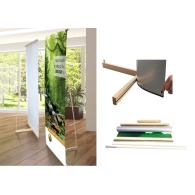

From 163,35 € excl tax
Branding not included
Limited stock : consult us
Ref 01483V0184391
Paper straw 6mm

From 0,03 € excl tax
Branding not included
In stock : 850 576 items
4,2 Ref 00015V0085237
Fiesta - bandana
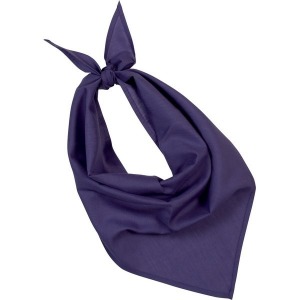
From 0,93 € excl tax
Branding not included
In stock : 826 601 items
Ref 00015V0232214
Men's T-shirt 150g/m²

From 2,37 € excl tax
Branding not included
In stock : 779 184 items
Ref 01750V0251056
Coaster Ø10cm
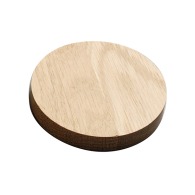
From 1,65 € excl tax
Branding not included
Limited stock : consult us
Vegea, advertising object specialist since 1998
For 25 years, over 65,000 customers have put their trust in us and recommended Vegea!
4,7 Ref 00041V0001706
Tori ballpoint pen

From 0,10 € excl tax
Branding not included
In stock : 776 386 items

From 13,62 € excl tax
Branding not included
In stock : 710 243 items
Ref 01749V0249407
Crafter - Unisex T-Shirt

From 5,82 € excl tax
Branding not included
Limited stock : consult us
Ref 00015V0171763
Men's Bio150IC round-neck T-shirt

From 3,20 € excl tax
Branding not included
In stock : 700 348 items
Ref 01483V0184389
Compostable straw 6mm

From 0,03 € excl tax
Branding not included
In stock : 629 213 items

Ref 01483V0184390
Compostable and reusable straw 6mm

From 0,03 € excl tax
Branding not included
In stock : 547 455 items
Ref 01483V0184392
Plant fiber straw 6mm

From 0,03 € excl tax
Branding not included
In stock : 524 910 items
5,0 Ref 00010V0018315
Biodegradable Cartoon Pen

From 0,13 € excl tax
Branding not included
In stock : 474 454 items
More than 9 out of 10 satisfied customers
94% of our customers are satisfied with their personalised product orders and recommend Vegea!
4,5 Ref 00015V0085217
Classic cap with hexagonal orlando

From 2,57 € excl tax
Branding not included
In stock : 462 197 items
Ref 00010V0179338
OVIKEY Recycled aluminium key ring

From 0,26 € excl tax
Branding not included
In stock : 451 138 items
Ref 00011V0186968
7 L Madras shopping bag in 140 g/m2 GRS-certified cotton

From 1,05 € excl tax
Branding not included
In stock : 446 474 items


Ref 00053V0140835
Backpack - Lambur

From 0,53 € excl tax
Branding not included
In stock : 425 070 items


Ref 00053V0016481
Tunel Notebook

From 0,70 € excl tax
Branding not included
In stock : 379 000 items
Ref 00015V0184851
Native Spirit organic hoodie

From 27,80 € excl tax
Branding not included
In stock : 366 505 items

4,0 Ref 00011V0138281
rpet backpack

From 0,62 € excl tax
Branding not included
In stock : 361 610 items
Ref 00011V0129065
Americano® Insulated Tumbler 350ml

From 5,56 € excl tax
Branding not included
In stock : 360 000 items
A team of advertising object specialists at your service
25 promotional products specialists to meet all your needs!
Ref 00041V0206061
Relact Scrib milk carton pen

From 0,13 € excl tax
Branding not included
In stock : 359 286 items
Ref 00011V0143127
350ml Americano® Eco recycled cup

From 6,03 € excl tax
Branding not included
In stock : 340 000 items

Ref 01462V0179388
Brady Soft Touch Recycled Alu pen

From 0,50 € excl tax
Branding not included
In stock : 318 961 items
Ref 00041V0136307
Recyclable biros - Papyrus

From 0,13 € excl tax
Branding not included
In stock : 300 148 items
Ref 00011V0147272
Insulating cup made of recycled plastic

From 6,88 € excl tax
Branding not included
In stock : 300 000 items
Customized Sustainable Development and Ecology with Logo | Wholesaler
Eco-friendly promotional items, or sustainable and eco-responsible goodies, are not defined by a mere material effect or an abstract marketing discourse: they rely on a coherent whole that begins with the selection of the material and extends to the distribution method. FSC-certified wood, fast-growing bamboo, recycled plastic (RPET, rABS), seeded paper, stainless steel, untreated natural fibers, organic cotton, or raw jute: each component must not only be traceable but also processed in compliance with strict standards. A recycled cardboard pen with a non-recyclable steel spring is not coherent; neither is an aluminum bottle without a food-contact compatible inner coating. This level of requirement also applies to marking: water-based inks, non-polluting laser marking, uncoated kraft packaging, compostable labels, or the deliberate absence of packaging. The object itself must fit into a useful, recurring, non-accessory use: lunch box, water bottle, recycled cotton tote bag, stone fiber spiral notebook, multifunction keychain, travel toothbrush, linen and cork charging cable, recycled PET laptop bag, turned wood smartphone stand, notepad with compressed cork cover... In each case, the criterion is not only the origin of the material but the actual duration of use, its ability to replace a disposable item or avoid single use. The eco-friendly goodie only has value if it is considered in its life cycle: economical manufacturing, controlled transport, long use, clear end of life. A thermos mug replaces 200 disposable cups, a stainless steel water bottle 1,000 plastic bottles, a recycled cotton tote bag 4 paper bags. But these numbers only make sense if the object is kept, appreciated, functional. A poorly designed, fragile, seldom-used, or visually cluttered eco-responsible product misses its mark. In its promotional version, these items must embody commitment without imposing it: no over-marking, no heavy slogans, but a subtle balance between utility, aesthetics, and discreet messaging. A logo engraved on a bamboo cap, a discreetly sewn label on a bag, a sober mention on a recycled notebook are enough to inscribe the brand in a responsible approach, without making it a façade argument. Eco-responsibility does not shout: it is verified, in the weight of the object, its durability over time, its silence in the hand.
