Promotional Items Strategy: How to Effectively Plan and Integrate Your Marketing Campaigns?
Promotional items are no longer just simple, harmless goodies. When well thought out, they become true marketing levers at the service of an effective omnichannel strategy. This professional guide is aimed at marketing managers, buyers, SME leaders, and event organizers who wish to structure their approach, optimize their budget, and maximize the impact of each promotional item campaign.
Why is a promotional item strategy indispensable?
More than a promotional tool: a vector of value
Offering a promotional item means creating a physical point of contact in an increasingly digital world. This materiality is precious: a branded pen, a mug on a desk, an event t-shirt... each item is a silent reminder of your brand in the recipient's daily life.
A measurable marketing support
Contrary to popular belief, promotional items can offer a return on investment (ROI) far superior to other media: very low cost per contact, high memorization rate, and the ability to generate virality (photos, shares, word of mouth).
According to CSA Research for 2FPCO, 77% of French people keep promotional items, 89% find them appealing, and 69% remember the associated brand.
A reading key for all your campaigns
Creating a true promotional item strategy means integrating each action into a structured whole. This allows you to:
Spread expenses over the year
Create visual and editorial coherence
Adjust quantities and formats according to targets
Strengthen your brand positioning
How to structure your strategic approach?
1. Define a coherent framework
Each promotional item campaign must meet a clear intention:
What objective (awareness, leads, loyalty, internal...)
This framework allows rationalizing choices: a tote bag, a notebook, or a lunch box are not suited to the same contexts.
2. Respect your brand identity
Your image also plays out on objects. Colors, typography, materials, messages: everything must reflect your visual and editorial DNA. If your brand values sustainability: opt for stainless steel bottles, organic cotton bags, recycled notebooks. If targeting a premium clientele: favor high-end umbrellas, personalized down jackets, or elegant gift boxes.
3. Multiply contact points
In an omnichannel strategy, promotional items find their place:
Before an event (as a teaser)
During an event (on a stand, in a pack)
After a digital action (thank you gift, reactivation)
This logic extends the lifespan of your campaigns.
Planning, budgeting, measuring: the pillars of a sustainable strategy
Anticipate to produce better
Planning your campaigns avoids common mistakes:
Default or off-topic object choices
Express production cost overruns
Availability or quality issues
For personalized items, plan 6 to 8 weeks between visual approval and delivery.
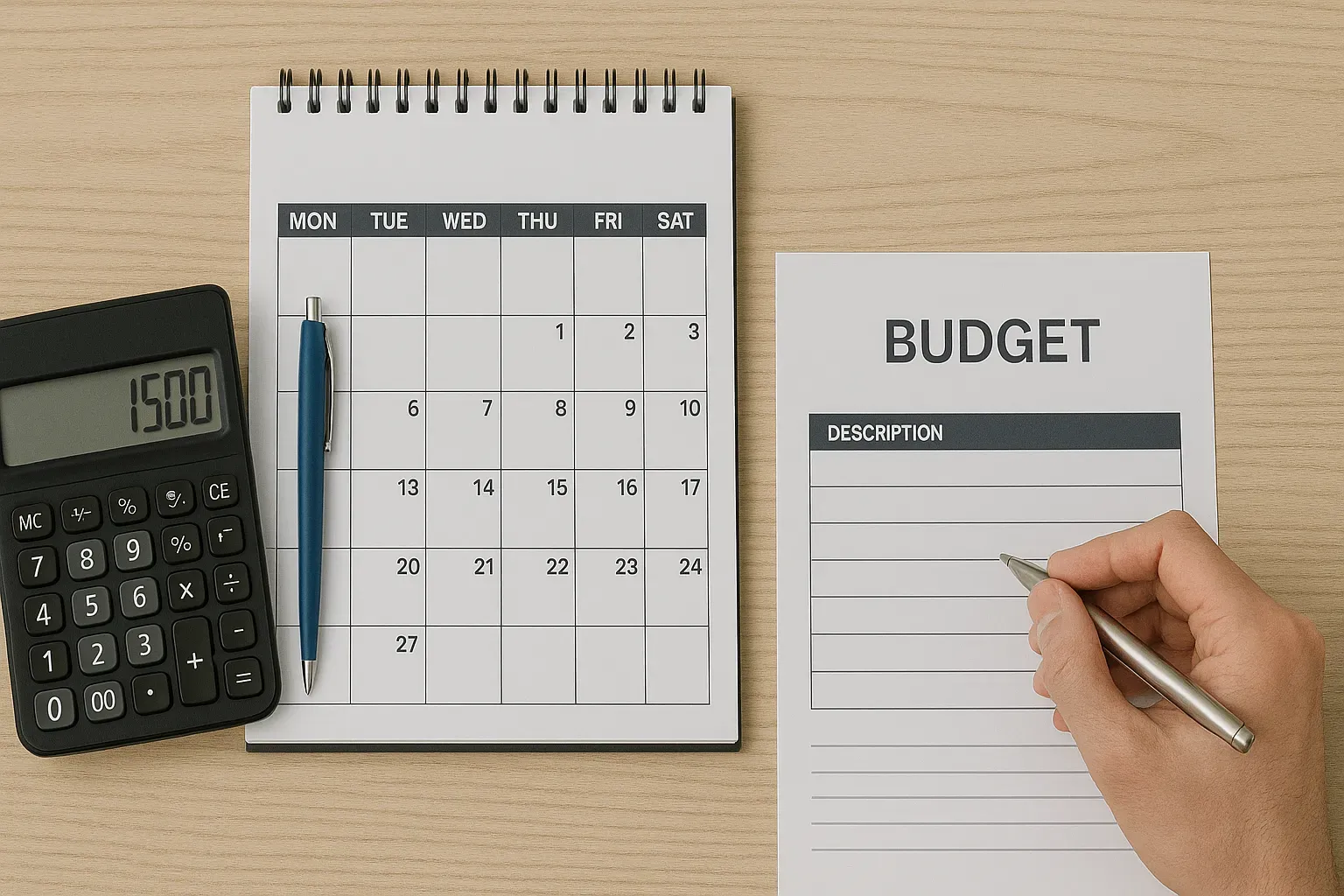
Define a budget suited to your structure
Don't know how much to invest? Here's a benchmark:
Type of company
Recommended budget
% marketing budget
Micro-business / Freelancer
€500 – €2,000
5 to 10%
SME
€2,000 – €15,000
3 to 7%
Large group
€15,000 – €100,000+
1 to 5%
Tip: in a tough economic period, it's better to reduce the volume but invest in high perceived value items.
Track efficiency
The right indicators to measure your actions:
Engagement rate (participation, reaction)
Leads generated
Object re-use rate
Feedback from clients or employees
Expertise on promotional item strategy
Global integration and brand coherence in your promotional product strategy
Your promotional items are not mere "goodies"! This essential guide shows you how to integrate them strategically so they become powerful ambassadors for your brand. Discover how to align your items with your identity, incorporate them into the digital customer journey, and create strong consistency to boost your brand awareness and marketing goals.
Budget planning and marketing schedule: when and how much to invest in promotional items?
This essential guide reveals how to plan and budget your promotional items effectively to maximize their ROI. Discover budget benchmarks by company size, key times to invest, and methods to avoid additional costs, turning your goodies into powerful growth drivers.
How many promotional items to use, and for what marketing objectives?
This essential guide helps you choose the ideal number of promotional items and types of media to achieve your marketing goals (awareness, leads, loyalty). Learn how to create coherent kits and adapt your selection according to your targets and occasions, for maximum impact.
Global integration and brand coherence in your promotional item strategy
In this page, you will discover how promotional items can become true vectors of brand identity, far beyond their utilitarian function. The article covers:
The necessity of visual and editorial alignment with your graphic charter: colors, typography, tone of voice.
The integration of items into a coherent digital customer journey, with well-chosen contact points.
Tips for designing a harmonious range of promotional items during a multi-support campaign.
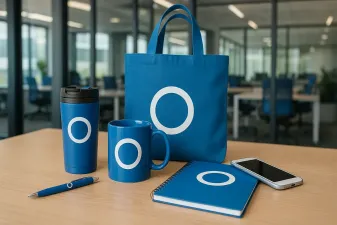
Concrete examples: how a mug, a notebook, and a backpack can be thought of as a visual and narrative set serving your brand.
This reading is essential for any company wishing to give meaning to its goodies and avoid the "free item without impact" effect.
Budget planning and marketing calendar: when and how much to invest?
This comprehensive guide helps you define a realistic and profitable budget for your promotional item campaigns. It will help you to:
Determine how much to invest based on the size of your company (micro-business, SME, group).
Distribute expenses between awareness, loyalty, acquisition, and internal actions.
Avoid common mistakes like rushed purchases, poorly assessed volumes, or overlooked logistical costs.
Sync your budget with your overall marketing calendar: trade shows, launches, digital campaigns, commercial periods.
You'll also find a step-by-step methodology to estimate your volume needs, choose the right time to order, and calculate return on investment.
When and why to use promotional items in your marketing campaigns?
This article guides you to identify strategic times when the promotional item maximizes its impact. It is particularly aimed at those who want to enhance their campaign effectiveness without multiplying costs. You will learn to:
Sync your promotional items with your digital actions, such as email campaigns, webinars, or social media operations.
When physical items are most relevant compared to digital media (events, digital saturation, rebranding).
How the item can enhance lead generation (gifts for registration, response to a call to action).
What are the best practices in the context of a brand image change or strategic repositioning.
The article provides concrete scenarios and operational advice to optimize the timing, format, and distribution channel.
How many promotional items to use, and for what marketing goals?
Too often, the choice of the number of items is based on rough estimates. This page offers a rational and strategic approach to determine the quantity and variety of media to mobilize in your campaigns. You will discover:
Practical benchmarks according to the types of objectives (awareness, acquisition, loyalty, internal engagement).
Recommendations on the optimal number of items according to duration, budget, number of targets, and activated channels.
How to compose a coherent kit (e.g., tote bag + notebook + bottle) according to context (trade show, onboarding, customer thank you).
Objective charts and product-target associations to inspire you concretely.
An essential read to structure your campaigns precisely, avoid waste, and maximize the perceived value of each distributed item.
Product cartridge: essentials of a well-thought-out campaign
Objective
Key products
Type of use
Awareness
Pens, Tote Bags, T-shirts
Mass distribution, trade shows
Loyalty
Down jackets, mugs, lunch boxes
Premium mailing, rewards
Lead generation
Notebooks, bottles, backpacks
Gifts for registration
Internal / HR
Caps, textile, notebooks
Onboarding pack, corporate culture
All these items are available in customizable versions, with different levels of finish, colors, packaging.
In summary: key steps for success
To build an effective promotional item strategy, follow these fundamentals:
Define your objectives: why, for whom, at what time.
Choose useful, memorable items aligned with your image.
Plan your campaigns throughout the year to avoid isolated actions.
Vary media according to key moments and targets.
Measure impact to adjust and improve your next actions.
Ready to structure your promotional item strategy?
Our team supports you in developing your communication plan through objects: product selection, customization, calendar, logistics, and ROI. You will also find all the necessary information in our guides on promotional items.
Contact us today to receive your personalized audit and a quote tailored to your marketing strategy. Make each item a strong message, and each campaign a growth lever

 Français
 Español
 Deutsch